Govt allocates 32bn/- to COSTECH for research projects

DAR ES SALAAM: THE government has allocated 32bn/- to the Tanzania Commission for Science and Technology (COSTECH) over the past three years to fund various research projects across the country.
In the course, the funds have supported more than 20 sector-specific research initiatives, primarily in agriculture, education, health and energy.
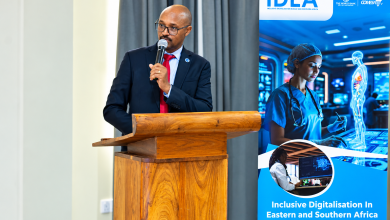
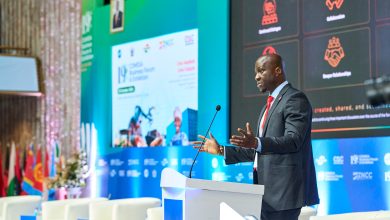
The revelation was made in Dar es Salaam by Deputy Prime Minister and Minister for Energy, Dr Doto Biteko, during the launch of the 2024 Science, Technology and Innovation Conference & Exhibition (STICE) that the government is committed to fostering a supportive environment for research in the country.
“The government will continue to provide a supportive environment for researchers,” said Dr Biteko, urged researchers and innovators to focus on addressing societal challenges.
The Deputy Minister said between 2015 and 2022, the government secured 222.8bn/- from development partners to fund research, improve infrastructure and enhance the growth of startups by building their innovation capacity.
The World Bank Country Director for Tanzania, Zambia, Malawi and Zimbabwe, Mr Nathan Belete, said the student researchers acknowledge the role of the new national curriculum in preparing students for the challenges of the 21st century.
The COSTECH Director General, Dr Amos Nungu, said that through various programmes, they helped many young people turn their dreams into reality.
ALSO READ: COSTECH unveils programmes for female tech innovators
“The government has enabled the commission to carry out its responsibilities at high standards, making it one of the exemplary institutions in Sub-Saharan Africa,” said Dr Nungu.
Additionally, the government is implementing the Higher Education for Economic Transformation (HEET) project with a budget of 1.13tri/- aimed at transforming higher education strategies.
The project has already supported various initiatives, including infrastructure development and the integration of digital technology into educational delivery. The HEET project is constructing 370 new buildings, training 526 staff members and revising nearly 563 curricula to align with the current labour market needs globally.