Cement prices soar as shilling struggles
TANZANIA: THE price of cement in the country has surged with manufacturers pointing fingers to the depreciation of the Tanzanian shilling as a key driver of rising production costs.
The increase is expected to send ripples through the construction sector, affecting everything from small-scale projects to major infrastructure developments.
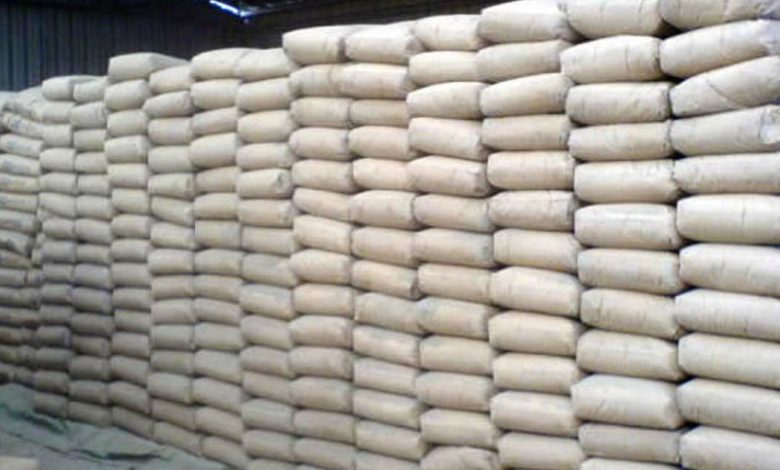
A spot survey conducted by the ‘Daily News’ has revealed that the price of a 50-kilogramme bag of cement has risen to 17,500/-, up from the previous price of 16,500/.
This increase reflects a significant shift in the market, raising concerns among consumers and industry stakeholders alike.
In an interview with this paper yesterday, Senior Commercial Manager at Tanzania Portland Cement Public Limited Company (Twiga Cement), Engineer Danford Semwenda confirmed that the depreciation of the Tanzanian shilling has significantly increased cement production costs.
“The depreciation of the shilling has driven up production costs related to petroleum, transportation and raw materials necessary for our daily operations,” Eng Semwenda explained.
Eng Semwenda emphasised the impact of currency exchange on operational costs, stating: “Most of our spare parts are imported and purchasing them requires exchanging our shilling for US dollars, which significantly raises expenses.”
He urged the government to take measures to stabilise the currency’s depreciation, as this would not only support local industries but also help consumers afford essential products.
Amos Kimazi, a resident of Madale, said that the rise in the price of cement has increased construction costs for locals and affected their construction plans.
ALSO READ: Simba cement shares drop 6.0pc in one week
“Yesterday I bought a bag for 16,500/- and when I went back today, the price has reached 17,500/- per bag. This has increased the cost of construction and may result in substandard buildings,” he said.
On her part, Eng Evelyne Nkuzi added that the rise in cement prices will greatly affect the implementation of big projects.
“If the engineer was awarded a tender two years ago when prices of cement were lower, it is obvious that the implementation of the project will be difficult now that the price of cement has gone up,” said Eng Nkuzi.
Moreover, Ramadhan Amir a hardware owner said the rise in cement prices has caused shock among customers and cement dealers.
“It’s a shock to many customers because the price has increased suddenly, we are trying to explain the situation to them so that we can continue doing business,” he explained.
When reached for comments, Deputy Minister for Industry and Trade, Mr Exaud Kigahe said the ministry was not aware of the price increase.
“My office is not aware of the increase in cement prices but we are following up on it and will let you know on any development,” he said.