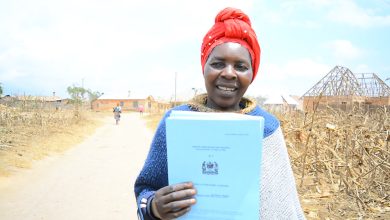
The experience of living with diabetes, hypertension: A journey of resilience
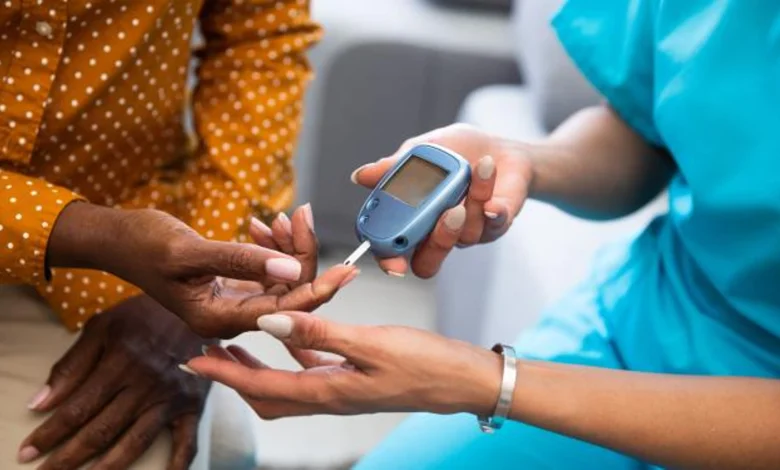
DAR ES SALAAM: NON-COMMUNICABLE diseases (NCDs), such as hypertension and diabetes, are rising steadily in Tanzania and across the globe. According to the World Health Organisation (WHO), NCDs account for over 70 per cent of deaths worldwide and lifestyle factors play a significant role in their development.
“Prevention and early lifestyle interventions are critical in reducing the burden of noncommunicable diseases,” says Dr Mathew Mbogho, a public health expert in Dar es Salaam. “Introducing healthy habits such as regular exercise and balanced diets from a young age can make a significant difference.
In May 2025, during a parliamentary session, the then Deputy Minister of Health, Dr. Godwin Mollel, highlighted national priorities and health investments, stating: “More than 33 per cent of deaths in Tanzania are caused by noncommunicable diseases such as diabetes, hypertension, and heart diseases.”
He further emphasised, “The government is implementing the Third National Multisectoral Strategic Plan for the Prevention and Control of Non-Communicable Diseases (2021–2026), encouraging regular physical activity and adherence to proper nutritional practices.”
Dr Tedros Adhanom Ghebreyesus, WHO Director-General, emphasises: “non-communicable diseases are largely preventable through healthier lifestyles, early detection, and proper management.” These warnings highlight the importance of awareness, lifestyle management, and self-care.
Lessons that resonate deeply in the story of Sandra, a Tanzanian living with hypertension and diabetes. At 39 years old, Sandra has been living with hypertension for most of her adult life. Yet the signs appeared much earlier. She recalls noticing unusual symptoms as a child, but it was only at 22 that she started medication to manage her blood pressure.
At 36 years of age, another health challenge emerged, Sandra was diagnosed with diabetes. “It was not easy at first,” she says. “There were days when fatigue hit me while working, and my sugar levels spiked unexpectedly. Balancing work, family and my health felt overwhelming.”
Living with both conditions is not without emotional strain. “There are moments when I feel overwhelmed and even afraid sometimes, I think about death because of these diseases and the medications I have to take daily,” Sandra admits. “But these feelings have also taught me to value every day and stay committed to my health.”
But Sandra soon realised that managing her conditions required more than medication. Exercise became her lifeline. “I discovered that walking, stretching and light daily workouts made a huge difference,” she explains. “They helped me control my sugar levels and gave me more energy to face each day.” Sandra also emphasises the importance of starting healthy habits early in life. “I encourage families to introduce exercise and good routines to their children from a young age,” she says. “Simple habits like walking, playing outside, and eating balanced meals can make a huge difference in preventing lifestyle-related diseases later on.”
For Sandra, discipline and consistency are key. She monitors her blood sugar regularly, makes healthier food choices, and maintains a daily routine. These habits have allowed her to regain focus at work and enjoy life with her family. “Living with diabetes and hypertension taught me patience and resilience,” she says. “I’ve learned not to take challenges personally and to focus on what I can control.”
Sandra’s message to others facing similar conditions is clear: “Do not give up. Your body responds to care, consistency, and positive lifestyle changes. Managing these conditions is not just about medication it’s about building routines that strengthen your body and mind every day.” Her journey demonstrates that even in the face of chronic health challenges, resilience, discipline, and self-care can make a significant difference. For Sandra, each day is a step forward toward better health, energy, and hope.
Tanzania has made significant strides in addressing NCDs through a comprehensive, multisectoral approach. The government is implementing the Third National Multisectoral Strategic Plan for the Prevention and Control of NCDs (2021–2026), which emphasises early detection, risk-factor reduction, and strengthened primary healthcare. Key priorities include promoting healthy lifestyles through physical activity and proper nutrition, improving surveillance systems, and integrating NCD services into Universal Health Coverage. These efforts are supported by platforms such as Health in All Policies and a proposed coordination framework under the Prime Minister’s Office to ensure cross-sector collaboration.