TZ ranks third in Africa for economic stability
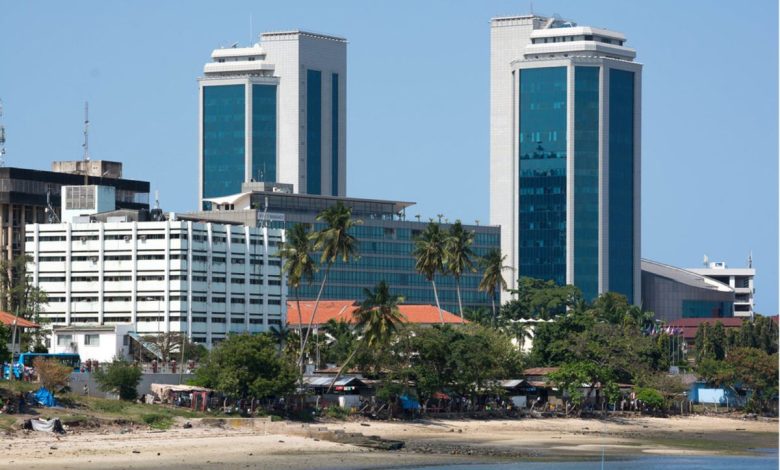
DAR ES SALAAM: TANZANIA has solidified its standing in Africa’s financial landscape, ranking third on the continent for macroeconomic environment and transparency, according to the 2025 Absa Africa Financial Market Index.
The achievement reflects significant progress, with country scoring 85, driven by greater transparency, such as publicly available Monetary Policy Committee (MPC) decisions, consistently low headline inflation, and an improved non-performing loan (NPL) ratio.
Absa Group’s Head of Fixed Income, Currencies and Commodities (FIC) Research and Chief Economist, Mr Jeff Gable said the country’s performance reflects steady progress toward building open, transparent and accessible financial markets.
“These achievements demonstrate a commitment to data availability, transparent monetary policy and open budget processes, all vital for good governance and investor confidence,” said Mr Gable.
The Absa index shows that Tanzania’s strong performance in Pillar 5 underscores the country’s sound macroeconomic policies and transparent economic data and policy decisions. The factors were crucial for fostering investor confidence and promoting financial market development.
Specifically, the country achieved a strong score of 94 in NPLs management and performed well in macro data standards, MPC transparency and budget releases, with 100 scores.
Moreover, the market index also showed Tanzania ranked seventh overall in the market depth pillar, placing it among the minority of countries that recorded an improvement over the past year.
The performance attributed to increased product diversity, including the issuance of the country’s first sovereign sukuk, aimed at financing infrastructure and social development.
ALSO READ: Tanzania’s Universal Health Insurance enters historic implementation phase
“The introduction of infrastructure-linked securities and growing access to Islamic finance are important steps in broadening Tanzania’s financial system and bringing more capital into the formal economy,” he said.
However, he cautioned that challenges remain, particularly around the size of domestic markets and the pace of growth in equity market capitalisation.
The Bank of Tanzania (BoT)’s Director of Financial Markets Mr Emmanuel Akaro said that the country’s scores compared to peer countries reflect significant progress, particularly in the area of macroeconomic performance and foreign exchange liquidity, although some areas still require further strengthening.
He noted that legal and institutional frameworks remain among the areas needing improvement, adding that these are already being addressed.
“Our expectation is that in next year’s report, Tanzania will record even stronger performance,” Mr Akaro said.
Additionally, Absa Bank Tanzania’s Managing Director and Chief Executive Officer, Mr Obedi Laiser underscored the importance of strong and transparent financial markets in driving sustainable economic growth.
“This index was established to provide an objective, evidence-based view of how African financial markets are evolving.
“As Africa’s economies continue to grow and diversify, deep, transparent and wellfunctioning financial markets are essential to mobilising capital, supporting businesses and enabling long-term development,” he said.
Now in its nineteenth year, the index covers 29 economies across the African continent, representing approximately 80 per cent of the population and GDP.