What happens to your blood pressure when you do dry January
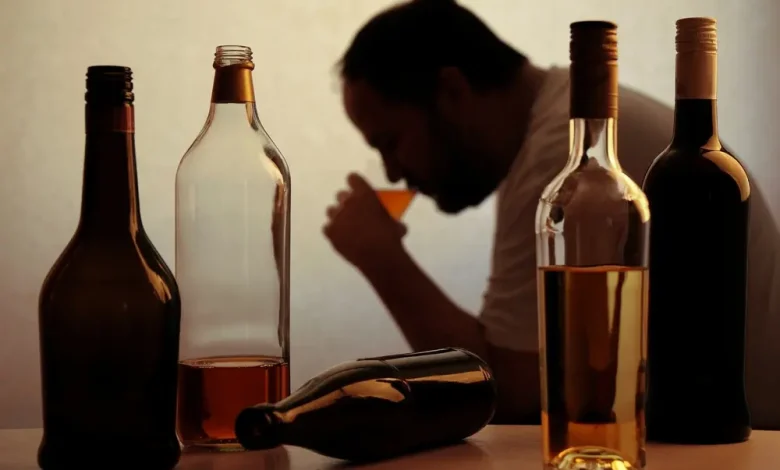
MANY people use Dry January as an opportunity to reexamine their relationship with alcohol, and end up noticing health perks they didn’t expect.
It’s common to have better sleep and more energy, but one lesser known benefit is how a month without alcohol can affect your blood pressure.
We asked our chief medical officer, Sohaib Imtiaz, MD, what happens to your blood pressure when you stop drinking for a month.
*This interview has been edited and condensed for clarity.
Q: How does participating in Dry January affect your blood pressure?
Imtiaz: Alcohol affects blood pressure both short-term and long-term. Within hours of consuming more than three drinks, your blood pressure falls for about 12 hours.
Then, it increases by about 3.7 milliliters of mercury (mmHg) or “points” in the next 12 to 24 hours. Long-term consumption of more than one drink a day significantly increases your risk of high blood pressure, depending on how much you drink.
The more you drink, the higher your risk. Each drink per day is associated with a 1.25 point increase in systolic blood pressure (the top number in a blood pressure reading) over five years.
1 Abstaining from alcohol, even for one month, can reduce your blood pressure.
But you need to stop drinking for at least six months to a year to really start to see significant changes.
What if you cut back instead of quitting altogether? It really depends on how much you typically drink.
For example, someone who drinks six drinks per day and cuts their consumption in half would likely see improvements in their blood pressure.
That said, sustained low-level consumption, which is one to two standard drinks a day, contributes to higher blood pressure than not drinking at all, and can increase your risk of coronary artery disease, stroke, sudden death, and possibly heart failure
ALSO READ: TBL: Alcohol industry grows on robust economy
What Is a Standard Drink?
A standard drink is considered a:
• 12-ounce beer (5% alcohol) •
8-ounce malt liquor (7% alcohol)
• 5-ounce glass of wine (12% alcohol)
• 1.5 ounces of 80-proof liquor
How can you change your relationship with alcohol?
There are many ways to challenge your relationship with alcohol, and it may take some trial and error to find one that works for you. Some strategies I recommend include:
• Don’t quit cold turkey: Any habit that you stop straight away is difficult to sustain. Start reducing your alcohol intake incrementally to make your goal of reduction more achievable.
• Track your health with a wearable device: Wearable fitness trackers monitor key health metrics, including heart rate variability, sleep patterns, and recovery progress. Having a visible representation of how alcohol affects your health can be a powerful motivator to change your relationship with alcohol.
• Find healthier alternatives: Drinking can be a social activity, so find a nonalcoholic alternative so you can enjoy the taste without the health effects of alcohol. Even a diet soda is a healthier alternative to alcohol.
• Seek support: Alcohol can be addictive, and it can be challenging to transition to a sober lifestyle. Cognitive behavioral therapy (CBT) and support groups such as alcohol anonymous (AA) are great resources to expand your support network, so you don’t have to go it alone.