Rising number of CNG stations boost efficiency, cut queues
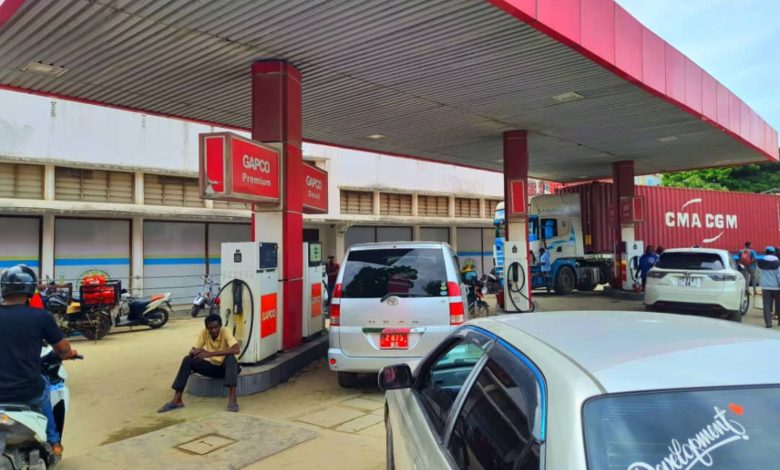
DAR ES SALAAM: THE increasing number of Compressed Natural Gas (CNG) stations across the country is driving marked improvements in service delivery within the energy and transport sectors, notably reducing long queues and wait times for fuel.
Currently, Dar es Salaam has eight operational CNG stations, with plans for expansion underway.
A Data Clerk at Auric CNG Filling Station in Dar es Salaam, Mr Rajab Shija told the Daily News that the increase in the number of CNG stations has significantly improved service delivery by alleviating congestion. “Previously, we served up to 300 cars and over 1,000 bajajis daily.
Now, with more stations operational, we handle around 70 to 100 cars and 200 to 350 bajajis,” Mr Shija explained.
“While the numbers appear lower, this reflects shorter queues and faster service key indicators of enhanced operational efficiency and improved customer experience.” This enhanced accessibility not only lowers operational costs for consumers but also encourages broader adoption of cleaner energy alternatives.
The expansion of CNG infrastructure is thus improving efficiency, customer satisfaction and supporting Tanzania’s broader goals for sustainable and reliable energy supply.
This decentralisation has brought direct benefits to transport operators, particularly bajaji drivers who once spent five to eight hours in long queues time that negatively impacted their daily income.
At the Tanzania Petroleum Development Corporation (TPDC) CNG station, daily demand was recorded with an average of 700 vehicles including over 2,500 bajajis refuelling each day.
ALSO READ: Motorists call for more natural gas stations
These figures underscore the growing reliance on compressed natural gas (CNG) as a cleaner and more cost-effective alternative to traditional fuels.
Notably, the Rafiki and Tembo CNG stations in Tabata ToT collectively serve between 350 to 400 cars and over 1,600 bajajis daily, reflecting increasing consumer demand and the critical role of expanded infrastructure in meeting this surge.
Motorist Ms Shadya Mohamed, a regular CNG user, expressed satisfaction with the improved refuelling experience following the opening of new CNG stations at Tabata and Sam Nujoma.
“Before these stations opened, I spent a lot of time waiting to refill gas. Now, the process is much quicker,” Ms Mohamed noted. “These improvements allow us to focus more on our businesses without losing valuable time.” The new stations have significantly reduced waiting times, enhancing efficiency and providing motorists with better access to affordable fuel.
Ms Mohamed further highlighted that switching to CNG has made fuelling both quicker and more economical, resulting in substantial savings compared to petrol. Industry experts observe that the rising adoption of CNG is generating diverse business opportunities across the energy and automotive value chains.
Demand is increasing for vehicle conversion kits, specialised workshops, spare parts and digital payment solutions tailored to the expanding CNG market. Reinforcing this momentum, the government has affirmed its commitment to sector expansion.
Deputy Permanent Secretary in the Ministry of Energy, Dr James Mataragio, emphasised that investments in CNG infrastructure align with Tanzania’s green economy objectives and national energy diversification strategy.
Dr Mataragio noted that the rollout of new CNG stations, including key ‘mother stations,’ will bolster regional supply chains and enhance clean energy accessibility nationwide.
With over 15,000 vehicles now powered by natural gas up from just 3,100 in 2023 Tanzania’s CNG sector is rapidly emerging as a significant driver of both economic growth and environmental sustainability.
For investors, entrepreneurs and service providers, the expanding market offers robust opportunities across transport, logistics and clean energy innovation.