Trademark initiative gains expert support
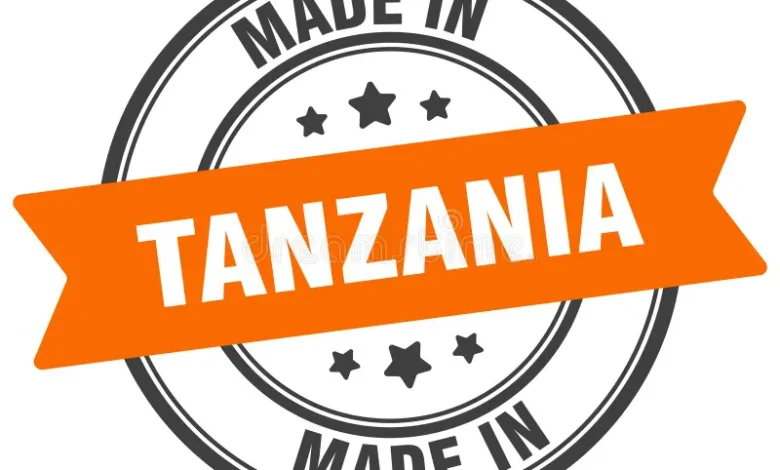
DAR ES SALAAM: ECONOMIC experts and stakeholders in the business sector have welcomed the newly launched Made in Tanzania trademark, describing it as a strategic milestone in boosting the country’s visibility in global trade and strengthening the local economy.
They view the initiative as a catalyst for improving export performance and promoting the consumption of locally manufactured goods.
According to experts, the trademark will elevate Tanzania’s competitiveness in regional and international markets, attract both foreign and domestic investment and create new opportunities for small and medium enterprises (SMEs) and local producers.
Recently, the country made a significant leap in strengthening its global trade presence with the official launch of the ‘Made in Tanzania’ national trademark.
The landmark initiative was unveiled by Zanzibar President Dr Hussein Mwinyi during the official opening of the 49th Dar es Salaam International Trade Fair (DITF) at the Mwalimu Julius Nyerere Exhibition grounds.
Speaking to the ‘Daily News,’ economist and investment banker Dr Hildebrand Shayo described the trademark as a well-thought-out initiative aimed at boosting the visibility, competitiveness and marketability of Tanzanian products both at home and abroad.
“This trademark acts as a unifying national symbol, it represents quality, authenticity and origin. It builds confidence in Tanzanian products, which is essential for accessing competitive global markets,” he said.
Dr Shayo said that the trademark would contribute to economic growth by promoting value addition and industrialisation particularly in agriculture, mining, textiles and food processing.
“It enables Tanzanian products to stand out through differentiation and meet international standards, giving them a competitive edge globally,” he said.
Dr Shayo also highlighted its potential to attract local and foreign investment, describing it as a clear signal of the government’s commitment to fostering a business-friendly environment.
He also expressed optimism that consumer confidence in locally branded goods will grow, helping reduce dependency on imports and promoting national self-reliance.
An economist from Saint Augustine University of Tanzania (SAUT), Dr Isaac Safari, also praised the initiative, describing the trademark as both a national symbol and a powerful tool for increasing the value of local products.
“When a product carries the ‘Made in Tanzania’ mark, it proudly proclaims its origin and quality. It earns respect while holding us accountable to maintain high standards,” he said.
He said that the initiative would attract investment across various value chains, including production, processing, distribution and marketing.
“This is a collective opportunity. Some can invest in raw material production, others in processing, logistics or promotion. When everyone contributes, the entire economy benefits,” said Dr Safari.
He also noted that the trademark will inspire producers to meet quality benchmarks and boost Tanzania’s competitive standing globally.
“To secure a spot in the global market, quality is essential. Our producers must continue learning and improving to stay competitive. A strong local product earns demand, attracts investors both local and international and creates sustainable markets,” he said.
University of Arusha economist Professor Kitojo Wetengere echoed similar sentiments, calling the trademark a strategic tool for economic development and product branding.
ALSO READ: Trademark to boost exports
“This initiative builds global trust in our products. It’s not just about elevating the reputation of Tanzanian goods, it’s about inspiring local producers to add value and innovate,” he said.
According to Prof Wetengere, the ‘Made in Tanzania’ trademark will empower local products to compete globally through quality and creativity.
“If we create goods that meet international standards, we’ll be able to compete effectively worldwide,” he said.
Domestically, he added, the initiative serves as a rallying call for Tanzanians to support local industries as a means to spur industrial growth and create employment.
“Buying Tanzanian-made products means encouraging production and expanding demand. Every purchase supports local factories, creates jobs, boosts national income and uplifts communities,” he said.
A Barista, Hassan Kiliamali, described the newly launched Made in Tanzania trademark as a welcome development that symbolises national pride.
“The Made in Tanzania trademark is a great initiative, it is the pride of our nation and we as Tanzanians should embrace it,” he said.
He urged the government to protect locally made products in order to enhance their value and competitiveness in both domestic and international markets.
“If we safeguard our products, we can also control the influx of foreign goods. TBS needs to play its role effectively so that not just any product enters our country. If we don’t regulate that, the trademark will lose its meaning,” he added.
A representative from Katikaza Natural Products, Idda Chiku, admitted that she was not yet aware of the launch but expressed interest in learning more about the trademark.
“I didn’t know the trademark was launched, but I will definitely follow up and learn more about it,” she said.
Regarding product certification, she said that her company is in the process of getting its products certified by the Tanzania Bureau of Standards (TBS).
Chiku called on relevant authorities, including TanTrade, to educate small businesses about the trademark, emphasising the potential it holds for boosting local brands.
“I believe it’s a good initiative that can help grow our businesses. Since I was young, I’ve always seen products labelled Made in China, now it’s time to see more Made in Tanzania on the shelves,” she said.